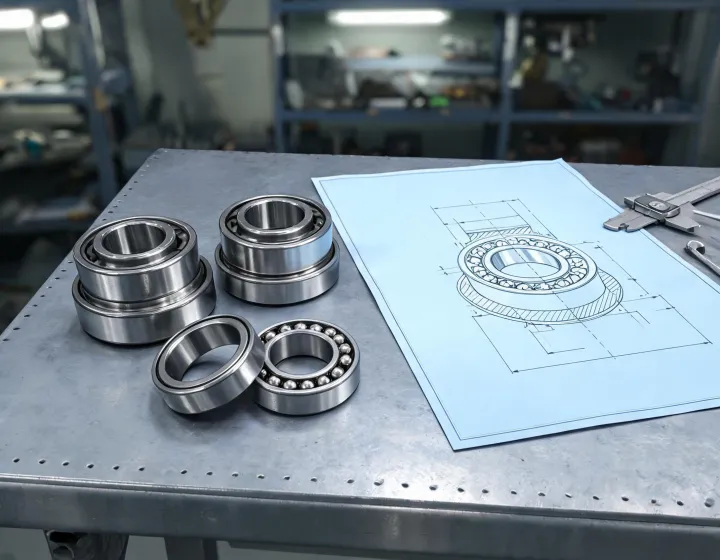
Wheel-end specifications, reviewed together

Company profile

SKF Group and the details behind a repeat order

Clear interfaces, documented decisions and practical communication support wheel-end procurement.

Wheel-end components and drawings

Company facts and working priorities

Product focus

Wheel hub assemblies and wheel bearings bring several interfaces together: mounting flange, bearing, seal and, where fitted, a wheel-speed sensing arrangement. Each needs a defined relationship to the vehicle and its maintenance procedure.

Our starting point is the part and its intended duty. An OE reference, dimensions and axle position help distinguish similar-looking components. A purchase request can then be organized around the information that affects selection.

Supply coordination

Repeat purchasing depends on more than a part name. Drawing revisions, packaging, identification and delivery windows should be recorded so that subsequent orders can be reviewed against the same requirements.

Where a requirement is not yet established, it should remain an open question. The team can use a sample, drawing or existing service record as a basis for clarifying the next step.

Application information

Vehicle model and year, axle position and an existing part reference help establish the boundaries of a request. For fleet programs, expected quantities and maintenance locations add useful context.

Reviewable decisions

Requests can distinguish confirmed information from assumptions. That distinction makes it easier for purchasing and maintenance teams to agree which dimensions, records and installation details need further attention.

Evidence and its scope

Quality system documents, product test results and market-specific requirements serve different purposes. Ask for the document relevant to a particular product and destination, including its validity and scope. A management-system certificate is not a substitute for product approval.

  • Identify the part number and revision when requesting a document.
  • Specify the destination market and intended vehicle use.
  • Agree the test method, sample and acceptance criteria.
  • Request applicable records before making a purchasing decision.

Certification and regulatory statements require product-specific verification. We do not treat a generic reference to a standard as proof that every assembly meets every market requirement. The applicable scope should be confirmed with documentary evidence.

Discuss your supply requirements

Share your current part references and the information your purchasing team needs to retain.